Two distinct roles
Describe each subject separately with clothing, position and a distinguishing feature so the pair does not merge into one identity.
Your next story Explore the credit plans for your next creative project.
 Toonbee AI
Turn two photo references into a playful orange-booth scene. Plan the poses, a shared microphone and one short performance with Toonbee AI.

Two original animal characters stand in an orange padded recording booth, a small terrier on the left and a white cat on the right. One shared microphone. The terrier nods once; the cat gives a very serious sideways glance. Locked medium shot, playful cartoon lighting.
The orange-booth format works because the composition is simple: two subjects, one microphone and a clear reaction. Add separate left and right photo references, then decide who leads the performance and who responds.
Build the scene as a short visual moment rather than a complicated music video. A nod, a shared glance or a paw tapping the beat gives the viewer something to follow while keeping both characters readable.
Describe each subject separately with clothing, position and a distinguishing feature so the pair does not merge into one identity.
Use an orange padded room, a central microphone and consistent light to give different references a coherent visual home.
Choose one lead action and a small response; busy choreography makes faces and props harder to preserve.
Upload one clear reference for the left subject and one for the right. Use separate portraits with visible faces and describe each subject’s identifying traits.
Place each subject on a side of the microphone and describe a short exchange, including the camera position.
Check facial identity, hands or paws, and microphone placement before saving a version or trying a smaller motion.
Similar angles and lighting make a pair easier to stage. Keep the subject large in the reference and avoid sunglasses or objects hiding the mouth if expression matters.
Assign the speaking or performing role to one side and the listener to the other. This helps a prompt describe the exchange without repeatedly renaming the subjects.
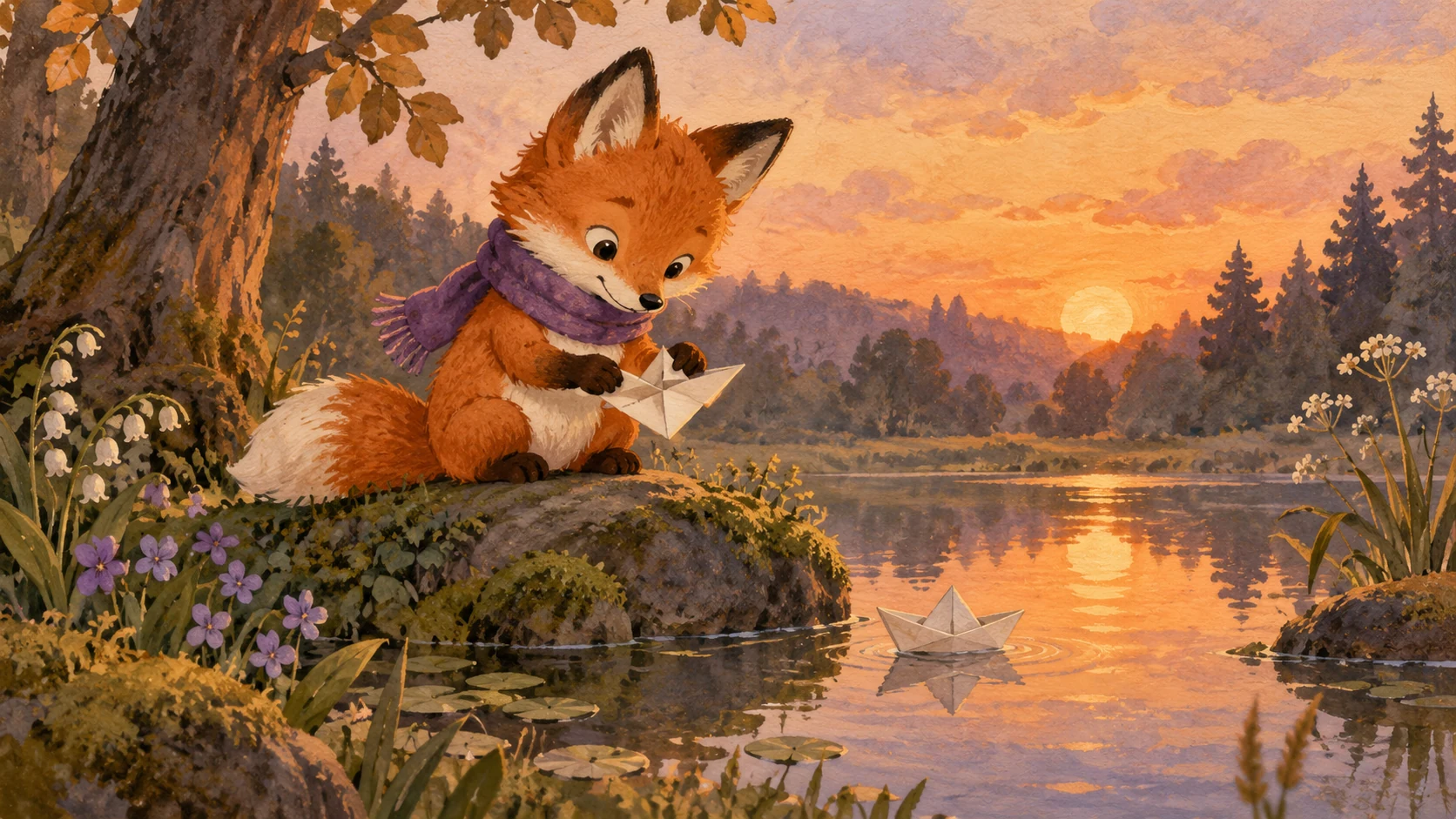
A comic pairing can come from ordinary references. Preserve the features that identify each subject and let the booth supply the shared style.

A raised eyebrow or delayed nod can carry the entire scene. Restrained movement gives the viewer time to notice the relationship between the two subjects.
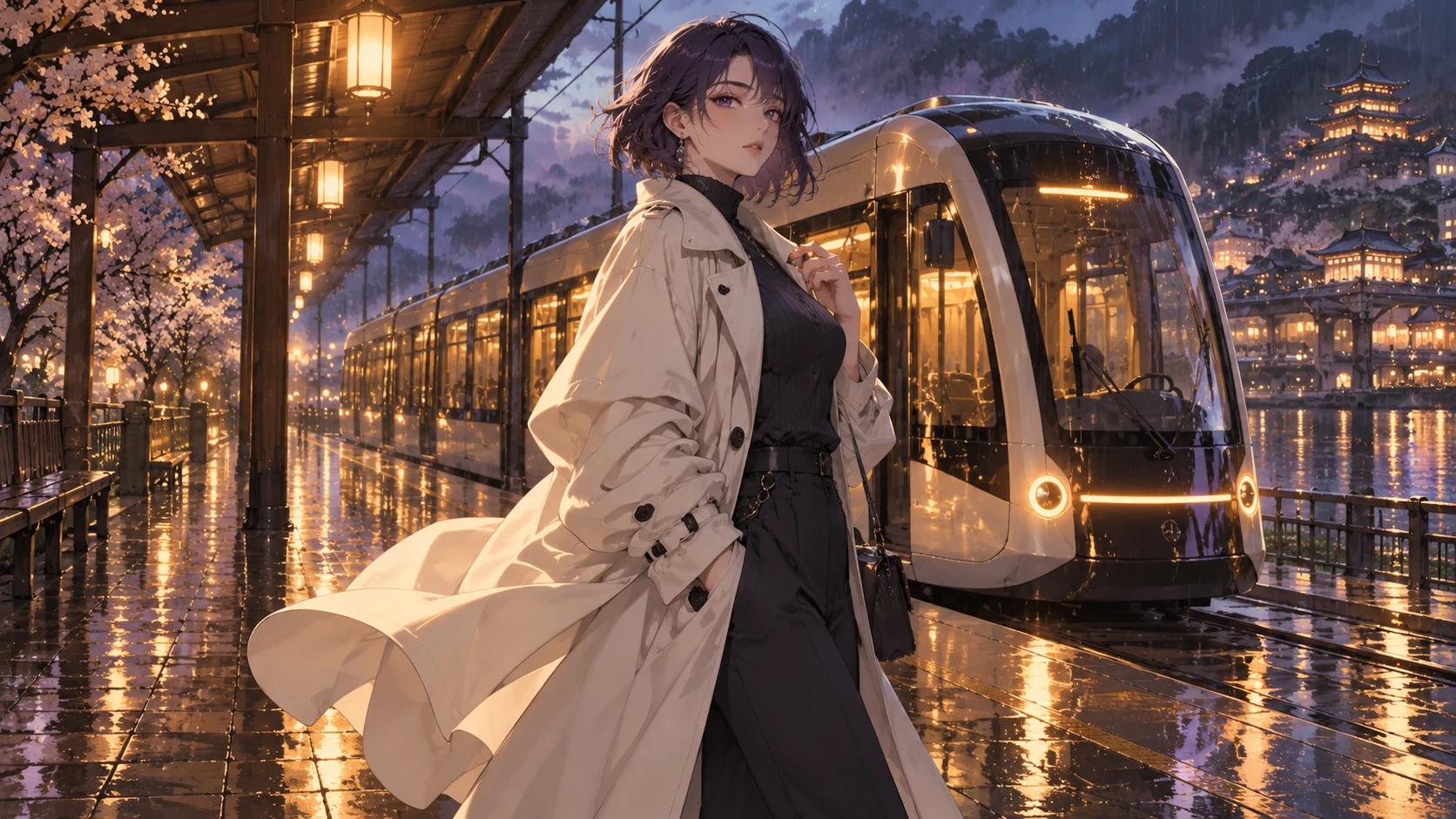
A visual performance does not include rights to a popular recording. Choose your own audio, an appropriately licensed track or a silent version when sharing the scene.
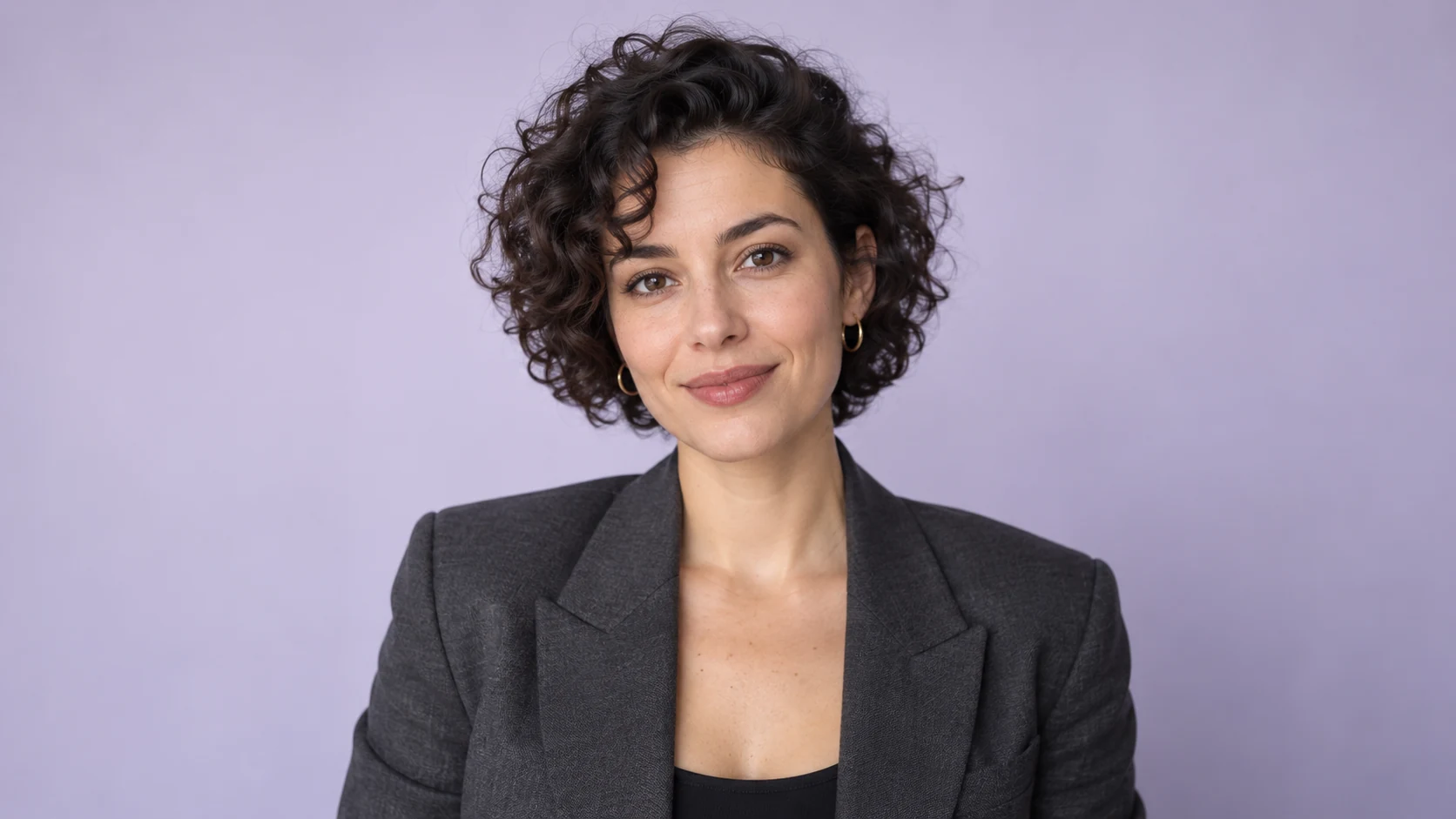
Original illustrative artwork and authored briefs show possible creative directions. Review the actual result from your selected workflow before sharing it.
Two original animal characters stand in an orange padded recording booth, a small terrier on the left and a white cat on the right. One shared microphone. The terrier nods once; the cat gives a very serious sideways glance. Locked medium shot, playful cartoon lighting.
Use the two authorized portrait references as separate characters. Stage them on opposite sides of a studio microphone in an orange booth. One raises a hand to cue the other, who smiles after a short pause. Keep the camera still and the clothing consistent.
Two original hand-drawn adventurers share a microphone in a warm orange recording room. A tall character leans forward slightly while a shorter character taps a boot. Gentle paper texture, stable faces, one uncomplicated performance beat.
Turn two photo references into a playful orange-booth scene. Plan the poses, a shared microphone and one short performance with Toonbee AI.