A motive behind the design
Choose what the character wants and what gets in the way. These decisions help explain their clothing, equipment and posture.
Your next story Explore the credit plans for your next creative project.
 Toonbee AI
Create an original character with a motive, memorable appearance and place in the world. Explore portraits and reusable story references with Toonbee AI.
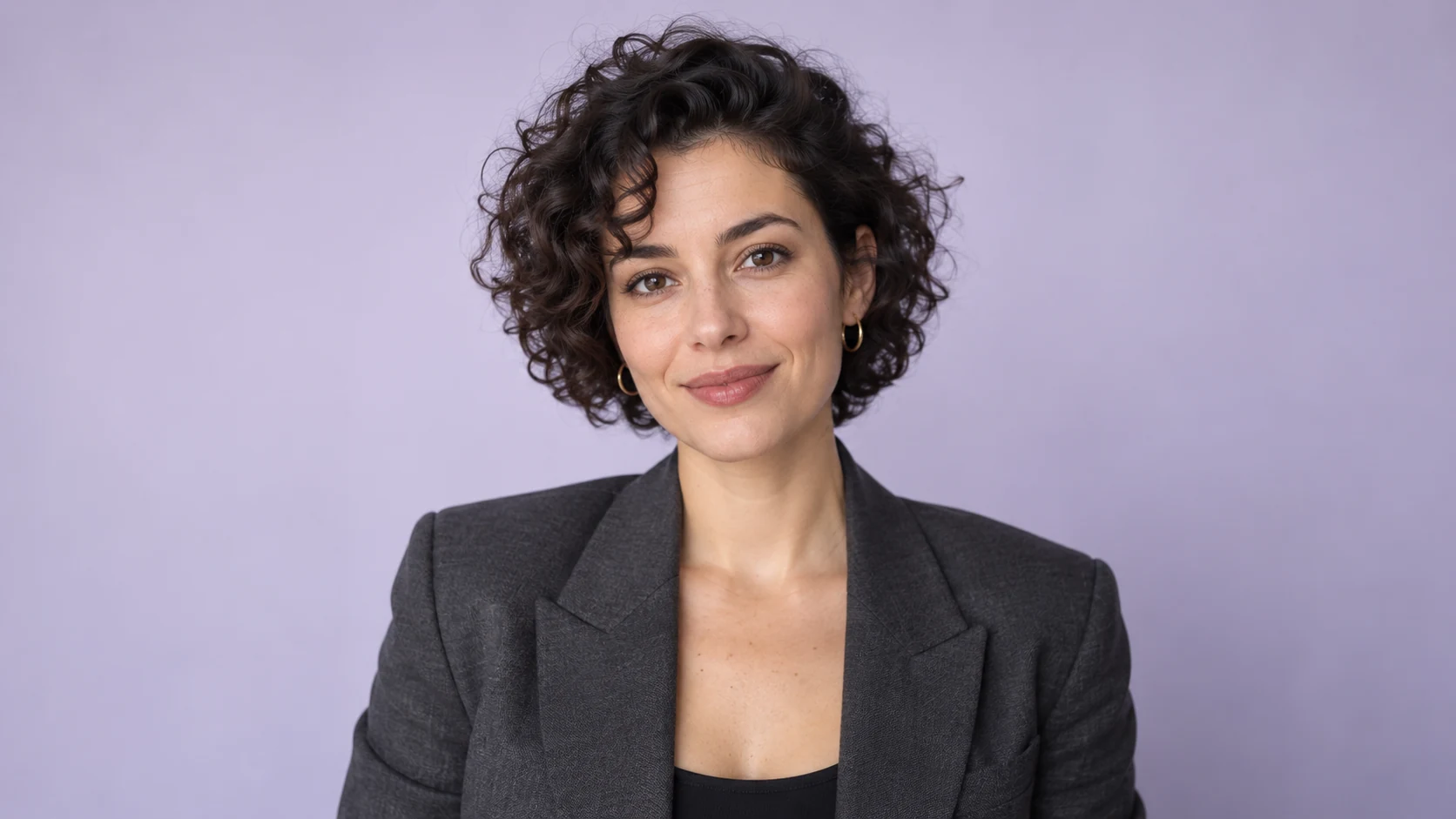
Full-body original character concept of an elderly rooftop botanist in a faded blue raincoat, carrying a seed satchel and a bent copper watering can. Thoughtful posture, warm illustrated style, plain background, no text.
An OC is more than a collection of hair colors and accessories. A role, a desire and a contradiction can turn a visual design into someone with stories to tell: a fearless messenger who cannot read maps, or a retired sea captain tending rooftop flowers.
Use Toonbee AI to test those ideas as portraits and reference images. Keep a small character sheet with the appearance details you accept, then reuse it when creating new poses, scenes or short video concepts.
Choose what the character wants and what gets in the way. These decisions help explain their clothing, equipment and posture.
Use a small set of defining traits rather than dozens of competing details. A silhouette, palette and one personal object can be enough.
Save your accepted design and vary one element at a time, such as expression or pose, while keeping the identity anchors stable.
List their role, goal, defining traits and setting. Add one contradiction that makes them interesting.
Generate a clear portrait or full-body concept. Compare the silhouette, colors and objects against the brief.
Choose a version, record the stable details and create a scene that gives the character a decision to make.
A lighthouse mechanic needs different tools and clothing from a forest archivist. The role gives your visual decisions a common logic.
A shy performer or a cautious explorer gives you a built-in source of tension. Show that contrast through an expression, pose or worn object.
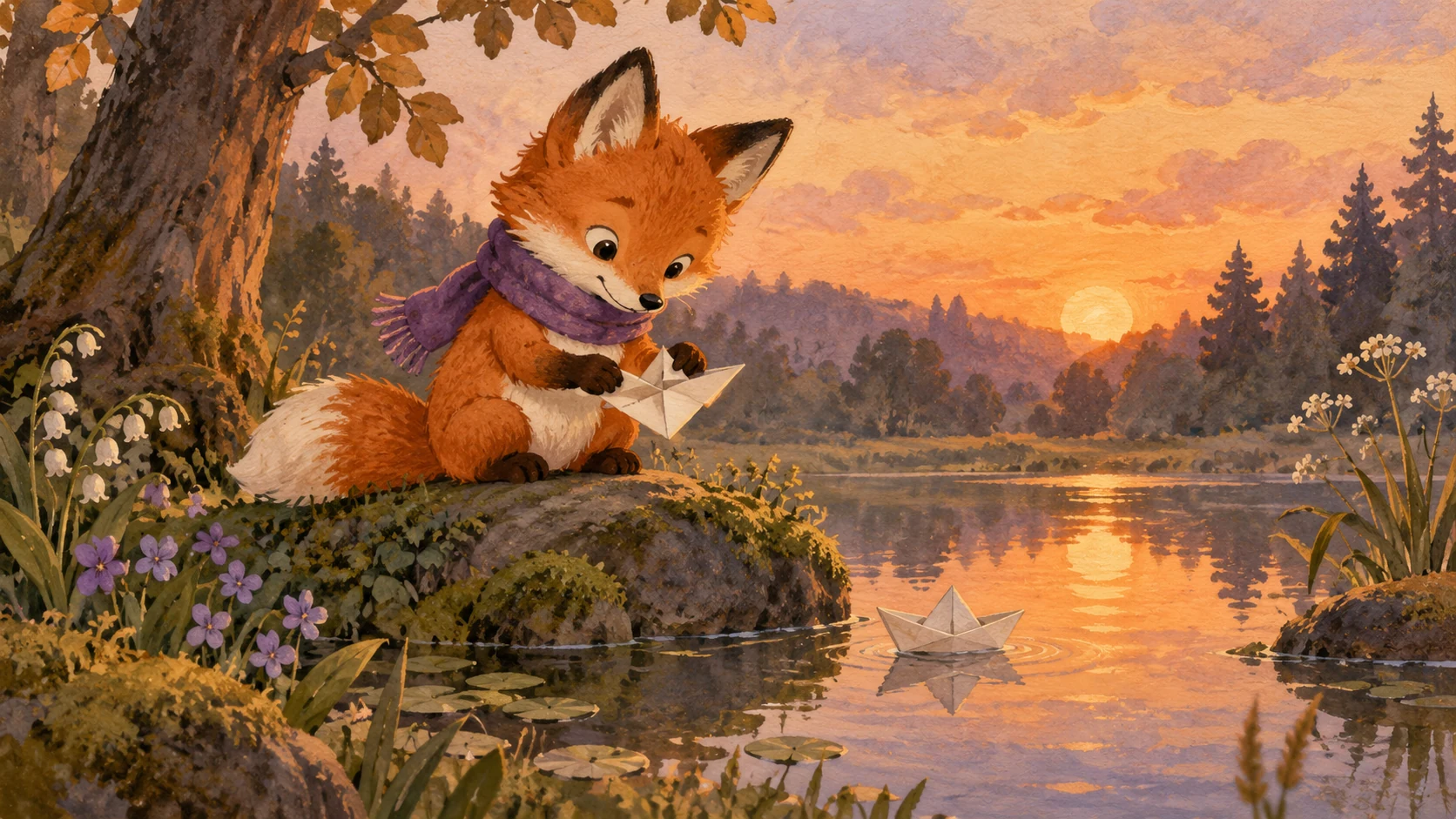
Choose a dominant color, a supporting tone and a small accent. This makes later clothing changes easier to judge without losing the character's identity.

Create the main design first, then request additional views or expressions with the same reference where supported. Check each view rather than assuming perfect matches.
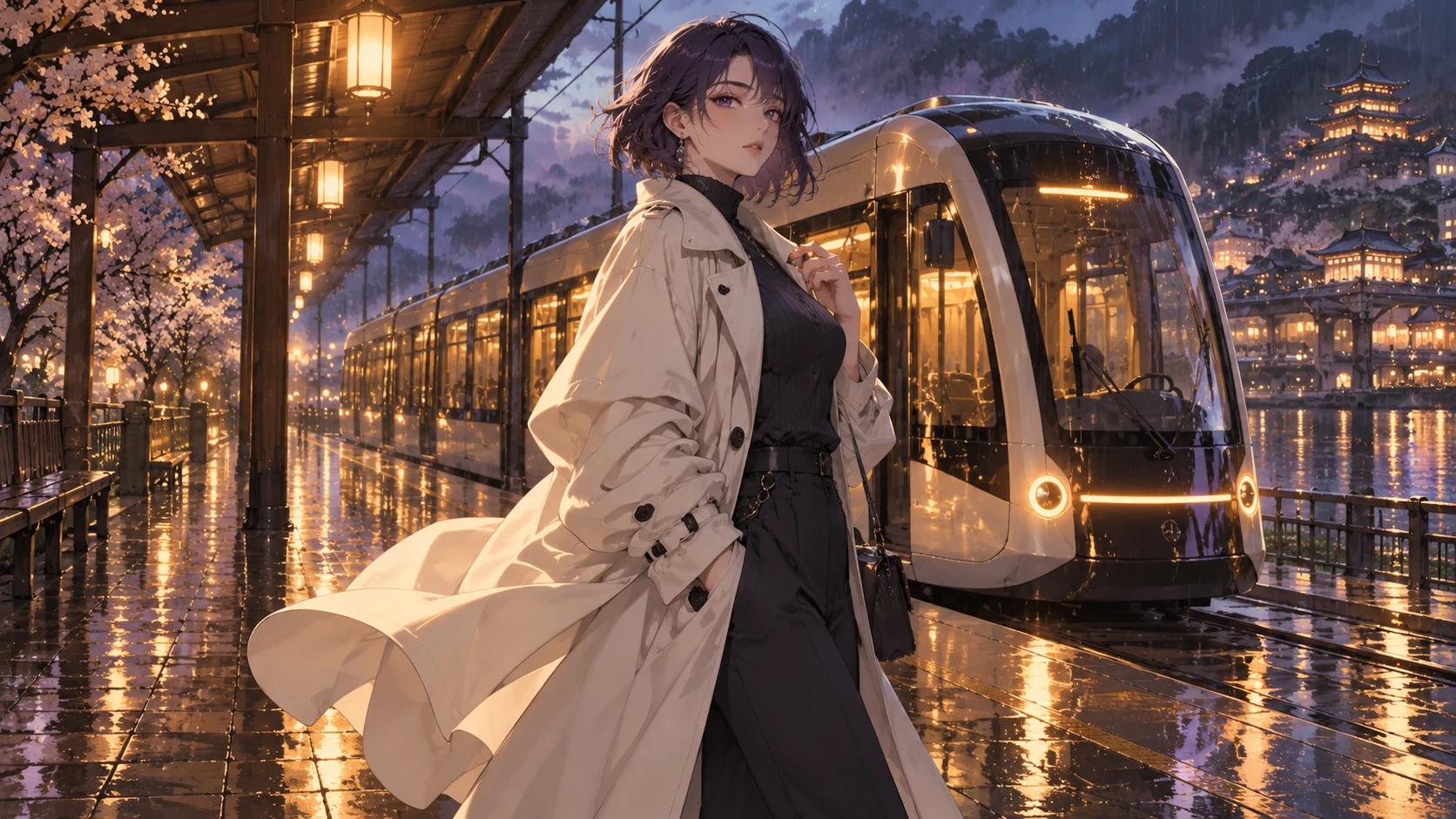
Give your OC a problem that reveals their motive: returning a lost key, protecting a seed or asking for help. A scene can expose what the portrait cannot.
Original illustrative artwork and authored briefs show possible creative directions. Review the actual result from your selected workflow before sharing it.
Full-body original character concept of an elderly rooftop botanist in a faded blue raincoat, carrying a seed satchel and a bent copper watering can. Thoughtful posture, warm illustrated style, plain background, no text.
Original young adult fox courier with long ears, a moss-green jacket and a red compass that points toward lost objects. Confident stance with a slightly worried expression, hand-painted fantasy character art.
Design a gentle clockwork librarian with ceramic hands, a midnight-blue waistcoat and a small key worn as a pendant. Rounded silhouette, careful curious gaze, soft studio lighting, original worldbuilding.
Create an original character with a motive, memorable appearance and place in the world. Explore portraits and reusable story references with Toonbee AI.