Original character direction
Specify hair silhouette, outfit and a few identifying details that can be reused in future scene notes.
Your next story Explore the credit plans for your next creative project.
 Toonbee AI
Create an original anime-style scene with deliberate framing, expressive characters and controlled motion. Explore a shot before expanding it into a sequence.
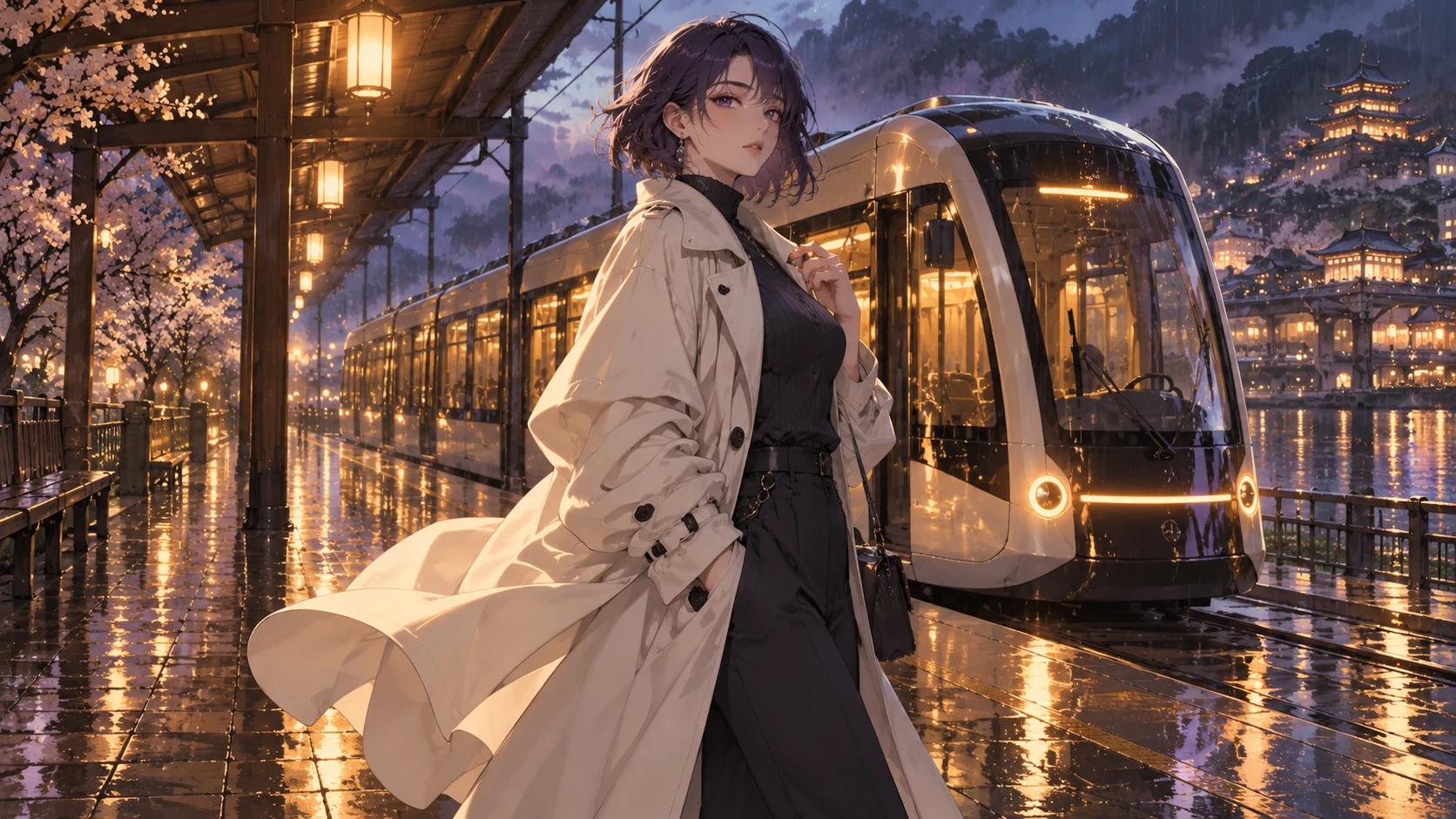
An original anime character with a short auburn bob and a green shoulder bag stands on a quiet evening train platform. They look up as a warm light approaches offscreen. Clean linework, muted blue shadows, a single small head movement, locked medium shot.
Anime-inspired storytelling can be quiet as well as spectacular. A glance at a station platform or a scarf catching the wind can establish a character as clearly as a dramatic confrontation.
Define your own cast, costume and world rather than relying on a recognizable franchise. Use a compact shot brief and review linework, facial proportions and movement before building neighboring scenes.
Specify hair silhouette, outfit and a few identifying details that can be reused in future scene notes.
Choose a close reaction, a wide setting or a side profile according to what the viewer needs to feel.
Start with one gesture and a restrained camera so the drawing and expression remain understandable.
Choose an original character and one emotion or decision you want the shot to communicate.
Describe linework, shading, palette and the environment, with a reference image where supported.
Review eyes, hands, costume and motion, then reuse approved character details for the next shot.
Clean outlines and cel shading produce different expectations from a softly painted fantasy scene. Write the style in concrete terms and keep those notes across the sequence.
A cluttered workshop, a windswept rooftop or an empty train platform can suggest the character’s situation before any dialogue. Give the background one narrative job.
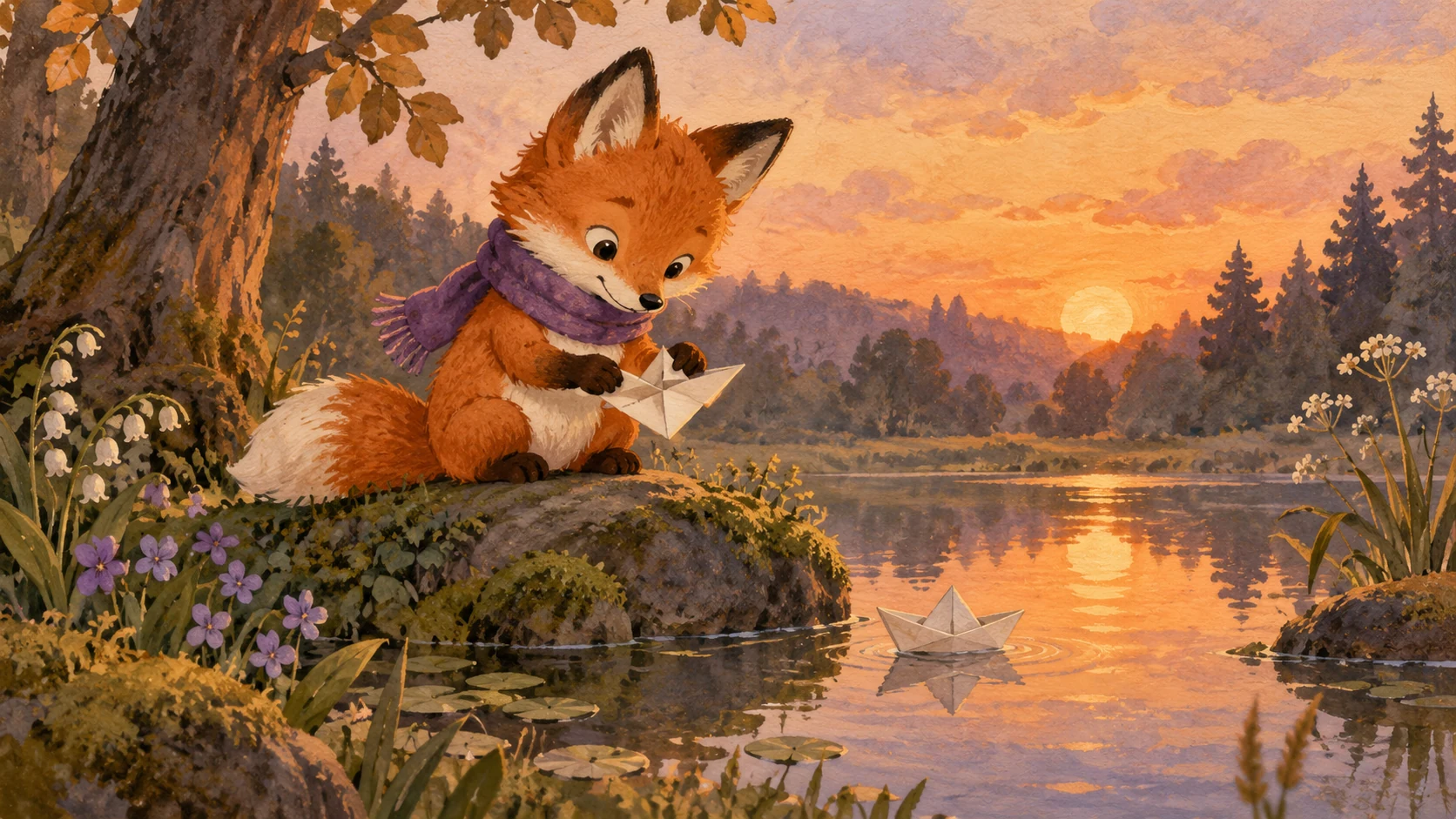
A slow blink, a lowered gaze or a hand tightening around a bag can carry a pause. Keep movement restrained when the face is the central subject.
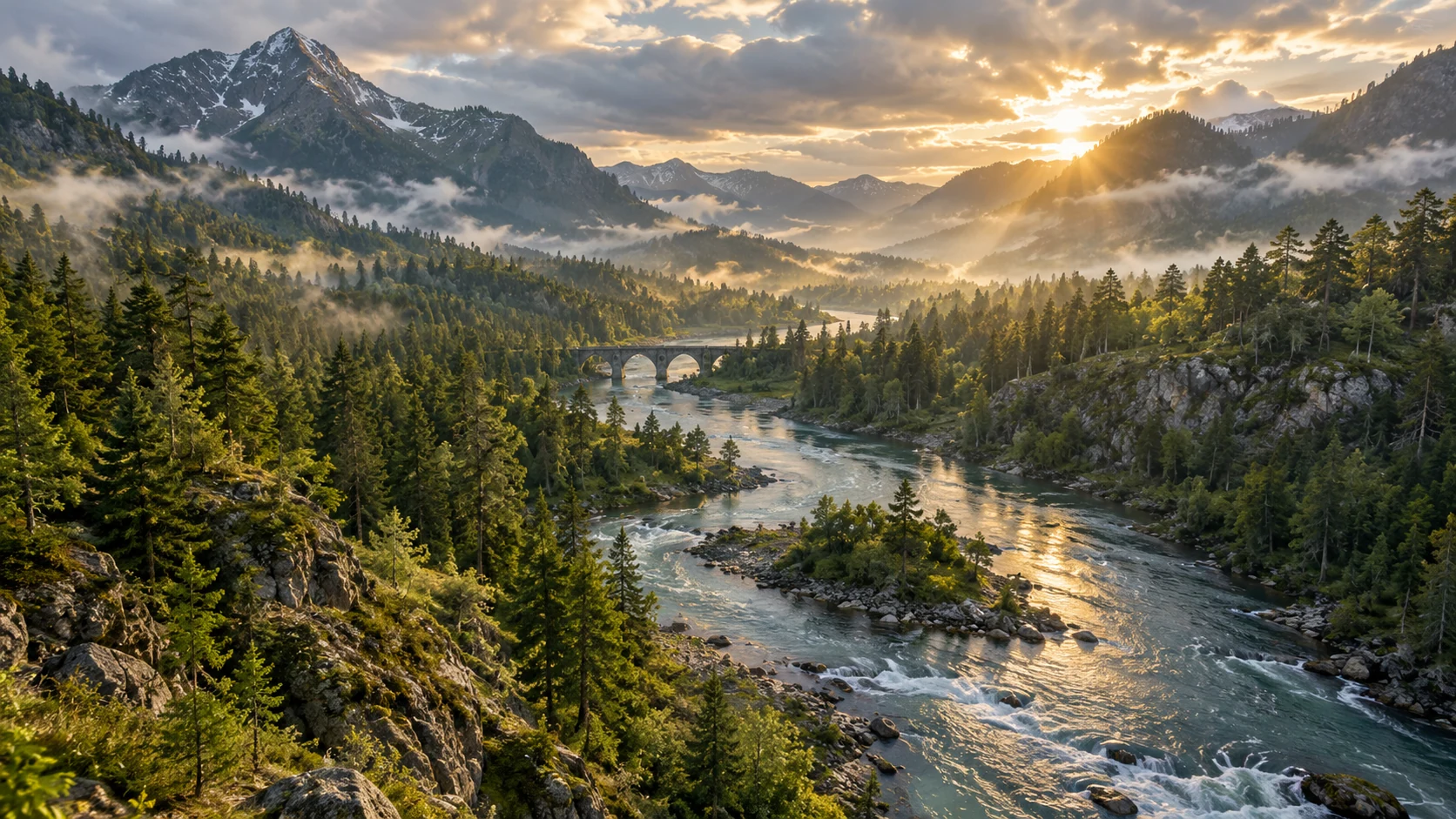
A dramatic encounter works better as an approach, a reaction and a resolution than as many simultaneous moves. Plan those beats as individual shots.
Save approved references and arrange short shots to form a scene. Finished episode length, soundtrack and subtitles come from your production and editing choices.
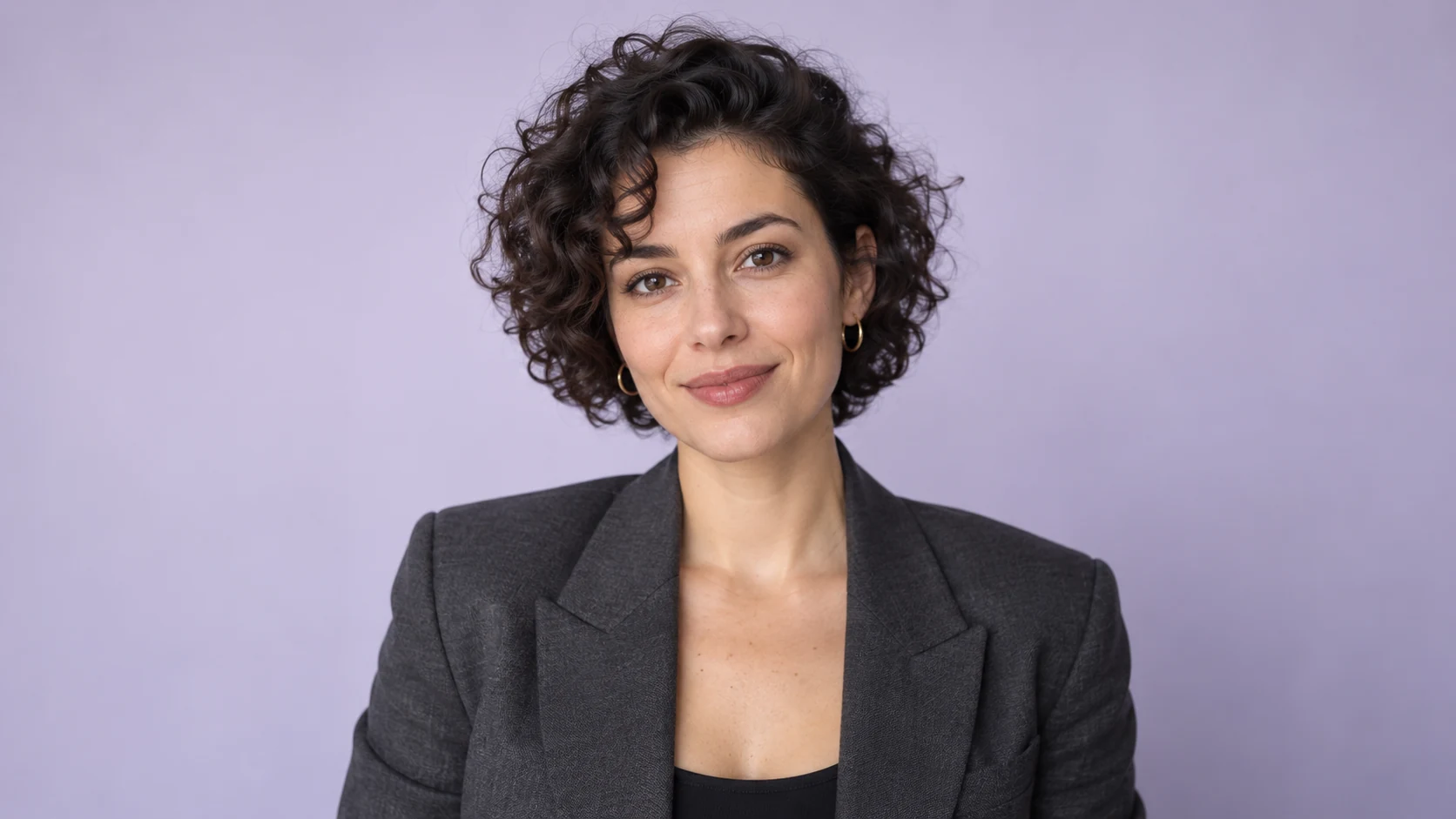
Original illustrative artwork and authored briefs show possible creative directions. Review the actual result from your selected workflow before sharing it.
An original anime character with a short auburn bob and a green shoulder bag stands on a quiet evening train platform. They look up as a warm light approaches offscreen. Clean linework, muted blue shadows, a single small head movement, locked medium shot.
Two original anime friends stand apart on a rooftop after rain. One gently holds out a folded paper star. Soft sunset light, clear silhouettes, simple school-independent clothing, restrained movement, no text or franchise symbols.
An original fantasy traveler with a white cape kneels beside a small fox-shaped lantern in a bamboo garden. The lantern brightens once and the traveler smiles. Painted anime atmosphere, stable face, slow movement, one clear magical event.
Create an original anime-style scene with deliberate framing, expressive characters and controlled motion. Explore a shot before expanding it into a sequence.